
The posterior tibial tendon is the main cable that holds up the arch. When it inflames or degenerates, the inside of the ankle aches, the arch drops, and shoes that used to fit start collapsing inward. This is posterior tibial tendon dysfunction (PTTD), adult-acquired flat foot in progress. Catch it early and the tendon can be saved. Catch it late and the discussion becomes reconstruction.
The posterior tibial tendon runs behind the inside ankle bone and inserts on the navicular, slinging the arch. Overuse, a flat starting shape, or age-related degeneration inflames the tendon (tendinitis) and then weakens it (tendinosis). As it fails, the heel drifts out, the midfoot unlocks, and the foot becomes a collapsing platform. Arthritis of the hindfoot is the end of that road.
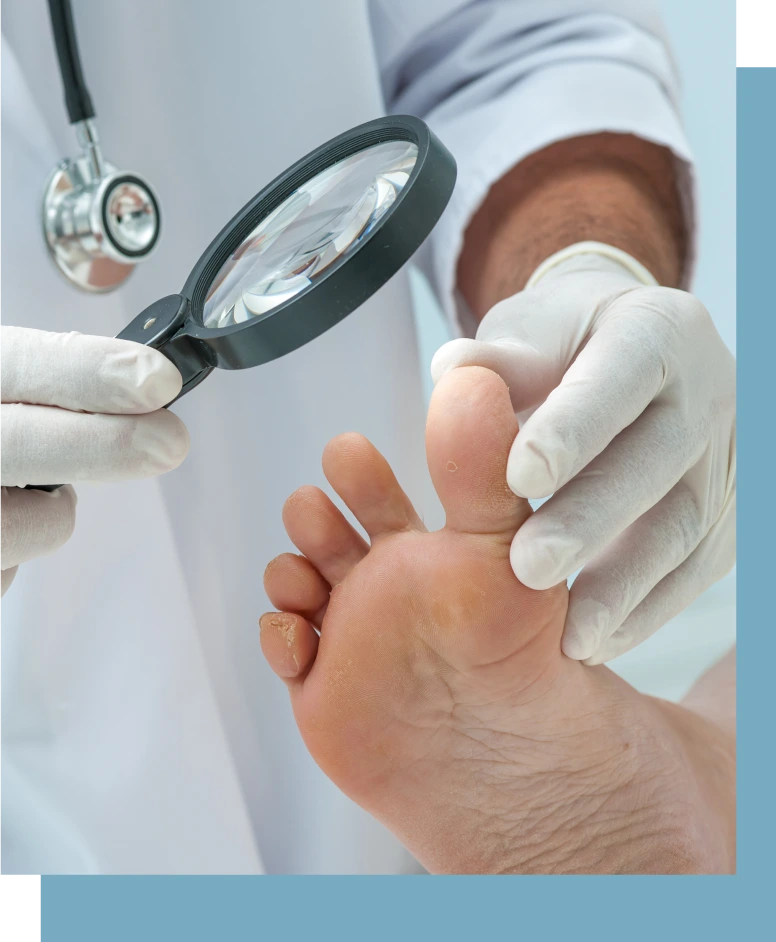
We watch you do a single-heel rise, the tendon’s report card. We look at heel alignment from behind and at the “too many toes” sign. X-rays show how far the joints have drifted. Ultrasound or MRI is for the tendon itself when we need to know if it is intact, torn, or just angry.
Early disease is a boot, then a custom orthotic or brace, calf flexibility, and time. Later disease is a structural problem. Pretending a collapsed foot is still a stretching problem is how people lose the window for a smaller surgery.
Custom devices and, when needed, an AFO-style brace unload the tendon so it can quiet.
Stem cell injections are considered for a tendon that is degenerated but still continuous.
Dr. Shalot reconstructs PTTD when the tendon and the joints require it, tendon transfer, osteotomies to realign the heel, and fusion only when arthritis has already taken the joint. This is reconstructive work, not a cleanup.
A treated early tendon can be comfortable in weeks and durable in a few months of orthotic use. Reconstruction is a months-long recovery with a protected-weight-bearing period. We will not blur those two sentences.
Evaluation typically $200–$500. Bracing and orthotics vary. Regenerative injections and reconstructive surgery are quoted to the stage. Insurance commonly applies.
You can be born flat and stable. PTTD is a tendon that is failing now.
In early stages, often yes. In later stages, no.
If you cannot heel-rise, the heel is in valgus, and the tendon is degenerated, we talk about it. If we caught you early, we try not to.
The posterior tibial tendon is the main cable that holds up the arch. When it inflames or degenerates, the inside of the ankle aches, the arch drops, and shoes that used to fit start collapsing inward. This is posterior tibial tendon dysfunction (PTTD), adult-acquired flat foot in progress. Catch it early and the tendon can be saved. Catch it late and the discussion becomes reconstruction.
The posterior tibial tendon runs behind the inside ankle bone and inserts on the navicular, slinging the arch. Overuse, a flat starting shape, or age-related degeneration inflames the tendon (tendinitis) and then weakens it (tendinosis). As it fails, the heel drifts out, the midfoot unlocks, and the foot becomes a collapsing platform. Arthritis of the hindfoot is the end of that road.

We watch you do a single-heel rise, the tendon’s report card. We look at heel alignment from behind and at the “too many toes” sign. X-rays show how far the joints have drifted. Ultrasound or MRI is for the tendon itself when we need to know if it is intact, torn, or just angry.
Early disease is a boot, then a custom orthotic or brace, calf flexibility, and time. Later disease is a structural problem. Pretending a collapsed foot is still a stretching problem is how people lose the window for a smaller surgery.
Custom devices and, when needed, an AFO-style brace unload the tendon so it can quiet.
Stem cell injections are considered for a tendon that is degenerated but still continuous.
Dr. Shalot reconstructs PTTD when the tendon and the joints require it, tendon transfer, osteotomies to realign the heel, and fusion only when arthritis has already taken the joint. This is reconstructive work, not a cleanup.
A treated early tendon can be comfortable in weeks and durable in a few months of orthotic use. Reconstruction is a months-long recovery with a protected-weight-bearing period. We will not blur those two sentences.
Evaluation typically $200–$500. Bracing and orthotics vary. Regenerative injections and reconstructive surgery are quoted to the stage. Insurance commonly applies.
You can be born flat and stable. PTTD is a tendon that is failing now.
In early stages, often yes. In later stages, no.
If you cannot heel-rise, the heel is in valgus, and the tendon is degenerated, we talk about it. If we caught you early, we try not to.