
Foot pain is how the city bills you for concrete, commute, and shoes. It is also how a dozen different diagnoses announce themselves. This page is the starting map. Once we know which pain you have, we send you to the condition that actually owns it, and treat that.
Search traffic loves the phrase. Medicine does not. The same word covers a torn fascia, a pinched nerve, a stress fracture, gout, and a shoe that is simply too small. Treatment that is not aimed at a structure is expensive stretching.
Millennium Podiatry’s job on visit one is to name the structure.
Use this as a guide; not a self-diagnosis.
Bottom of the heel, first steps in the morning
Plantar fasciitis · heel spurs · heel pain
Back of the heel or along the Achilles
Achilles tendinitis · Haglund’s deformity
Arch, especially with a flattening foot
Flat foot · posterior tibial tendonitis
Ball of the foot
Metatarsalgia · neuroma · sesamoiditis · fat pad atrophy
Big-toe joint
Bunion · hallux limitus · big-toe arthritis · gout
Lesser toes
Burning, tingling, numbness
Peripheral neuropathy · tarsal tunnel · diabetic foot
After a twist or a fall
Ankle sprain · ankle fracture · stress fracture
A lump
We take a history that includes shoes, sport, work surface, and whether the pain is mechanical (worse with load) or inflammatory (hot, red, night pain). We watch you walk. We X-ray when bone or joint is in the story. We do not start a six-week protocol until the target is named.
Once the condition is identified, treatment is specific:
Call (212) 535-0229 or seek emergency care if the foot is hot, red, and you feel systemically ill.
Anyone whose foot is editing their day, walking fewer blocks, skipping a workout, or choosing shoes only by what does not hurt.
Most first visits fall between $150 and $400 depending on imaging. Treatment cost follows the diagnosis. We verify insurance before larger next steps.
Mechanical pain that is improving week over week can wait a short time. Pain that is the same or worse at two weeks, or any diabetic foot change, should not.
Usually no. Call the office and we will tell you if your plan requires one.
Because half of foot pain is not an arch problem, and the half that is needs the correct prescription.
Foot pain is how the city bills you for concrete, commute, and shoes. It is also how a dozen different diagnoses announce themselves. This page is the starting map. Once we know which pain you have, we send you to the condition that actually owns it, and treat that.
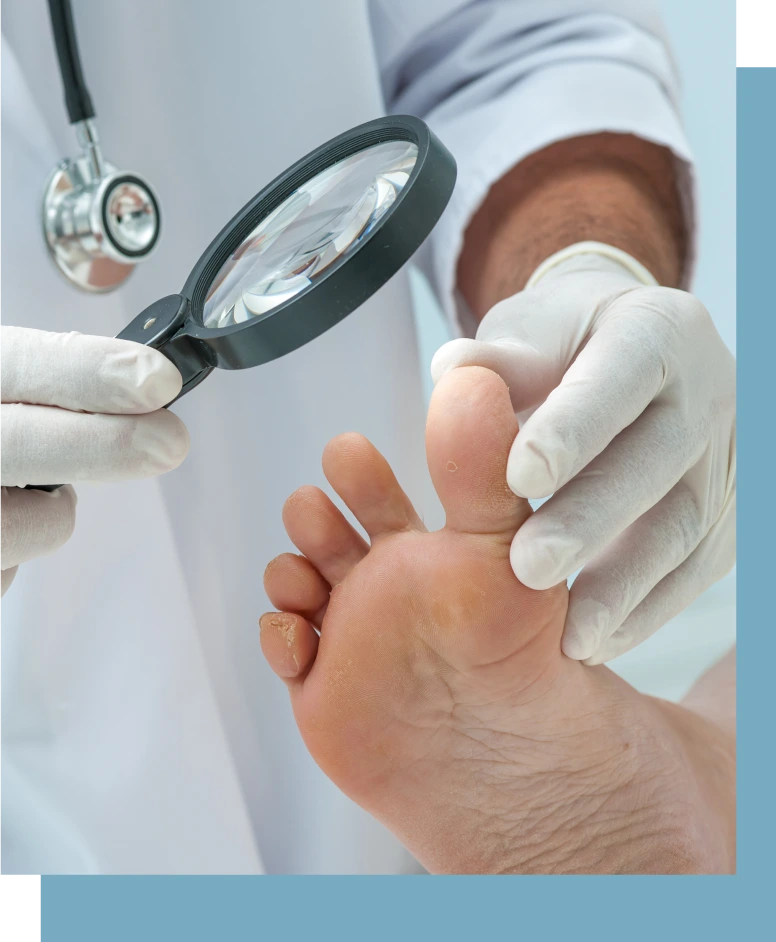
Search traffic loves the phrase. Medicine does not. The same word covers a torn fascia, a pinched nerve, a stress fracture, gout, and a shoe that is simply too small. Treatment that is not aimed at a structure is expensive stretching.
Millennium Podiatry’s job on visit one is to name the structure.
Use this as a guide; not a self-diagnosis.
Bottom of the heel, first steps in the morning
Plantar fasciitis · heel spurs · heel pain
Back of the heel or along the Achilles
Achilles tendinitis · Haglund’s deformity
Arch, especially with a flattening foot
Flat foot · posterior tibial tendonitis
Ball of the foot
Metatarsalgia · neuroma · sesamoiditis · fat pad atrophy
Big-toe joint
Bunion · hallux limitus · big-toe arthritis · gout
Lesser toes
Burning, tingling, numbness
Peripheral neuropathy · tarsal tunnel · diabetic foot
After a twist or a fall
Ankle sprain · ankle fracture · stress fracture
A lump

We take a history that includes shoes, sport, work surface, and whether the pain is mechanical (worse with load) or inflammatory (hot, red, night pain). We watch you walk. We X-ray when bone or joint is in the story. We do not start a six-week protocol until the target is named.
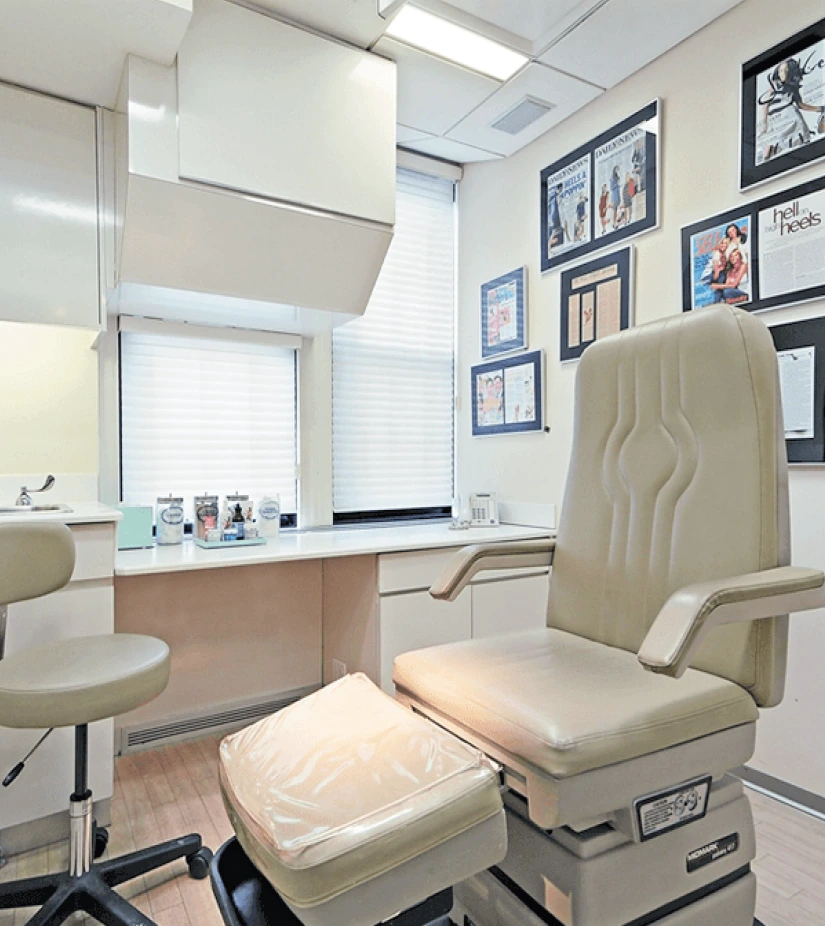
Once the condition is identified, treatment is specific:
Call (212) 535-0229 or seek emergency care if the foot is hot, red, and you feel systemically ill.
Anyone whose foot is editing their day, walking fewer blocks, skipping a workout, or choosing shoes only by what does not hurt.
Most first visits fall between $150 and $400 depending on imaging. Treatment cost follows the diagnosis. We verify insurance before larger next steps.
Mechanical pain that is improving week over week can wait a short time. Pain that is the same or worse at two weeks, or any diabetic foot change, should not.
Usually no. Call the office and we will tell you if your plan requires one.
Because half of foot pain is not an arch problem, and the half that is needs the correct prescription.