
The fat pad under the ball of the foot and the heel is the body’s built-in insole. With age, steroids, high-heel mileage, and simple genetics, that pad thins. Bone sits closer to the sidewalk. Patients describe burning, walking on pebbles, or being unable to stand in the kitchen in bare feet. This is fat pad atrophy, and it is the condition Pillows For Your Feet® was invented to treat.
Dr. Suzanne Levine pioneered injectable cushioning for the sole. Millennium Podiatry still does this with ultrasound guidance, as a medical procedure, not a spa extra.
The plantar fat pad is a honeycomb of fat chambers that dissipates load. When the chambers empty or migrate, the metatarsal heads and the heel bone lose their shock absorber. The skin then tries to compensate with callus. Metatarsalgia and sesamoiditis often sit on top of the same thin pad.
We feel the pad, look at callus patterns, and watch you walk. Ultrasound shows how much tissue is actually left. We also rule out a neuroma, a stress fracture, and plantar fasciitis, because “my ball of foot burns” is not a single disease.
Ultrasound-guided injectable implants restore volume under the metatarsal heads and, when needed, the heel. This is our signature answer to a missing pad. Details live on the foot fillers page. Related: Loub Job® for high-heel-specific cushioning.
Custom orthotics with metatarsal accommodation and a softer top cover reduce peak pressure. They work with fillers; they rarely replace them when the pad is truly gone.
We avoid dumping steroid into an already vanishing pad. If you have been getting monthly “cortisone for metatarsalgia,” tell us.
A hammertoe or prominent metatarsal will keep punching through even a restored pad. We deal with that too.
Filler visits are in-office. Most patients walk out and are sore in a familiar, bruised way for a few days. We will tell you when heels are allowed back.
Evaluation typically $150–$400. Filler treatment is a procedure fee that depends on how much volume the sole needs, quoted after ultrasound. Orthotics are separate. Ask us what insurance will and will not do; cushioning injections are often self-pay.
No. A neuroma is a nerve. Fat pad atrophy is missing insulation. They can coexist.
Months to a couple of years depending on the material, your mileage, and the shoe. We plan maintenance rather than promising permanence.
You can. Most of our patients would rather not have that be the only option.
The fat pad under the ball of the foot and the heel is the body’s built-in insole. With age, steroids, high-heel mileage, and simple genetics, that pad thins. Bone sits closer to the sidewalk. Patients describe burning, walking on pebbles, or being unable to stand in the kitchen in bare feet. This is fat pad atrophy, and it is the condition Pillows For Your Feet® was invented to treat.
Dr. Suzanne Levine pioneered injectable cushioning for the sole. Millennium Podiatry still does this with ultrasound guidance, as a medical procedure, not a spa extra.
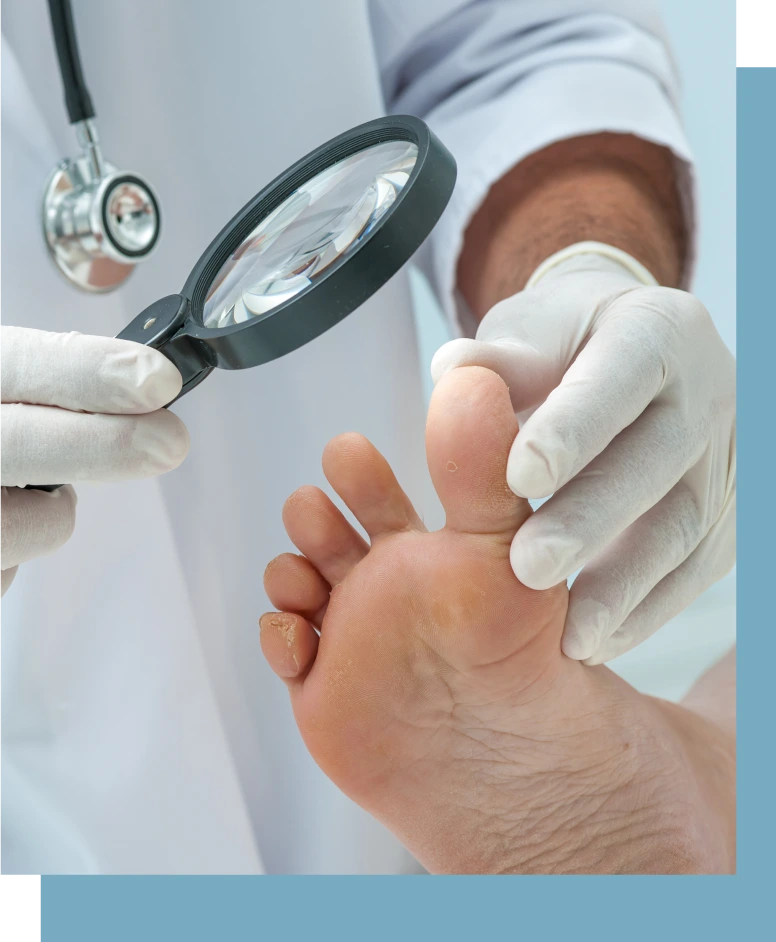
The plantar fat pad is a honeycomb of fat chambers that dissipates load. When the chambers empty or migrate, the metatarsal heads and the heel bone lose their shock absorber. The skin then tries to compensate with callus. Metatarsalgia and sesamoiditis often sit on top of the same thin pad.

We feel the pad, look at callus patterns, and watch you walk. Ultrasound shows how much tissue is actually left. We also rule out a neuroma, a stress fracture, and plantar fasciitis, because “my ball of foot burns” is not a single disease.
Ultrasound-guided injectable implants restore volume under the metatarsal heads and, when needed, the heel. This is our signature answer to a missing pad. Details live on the foot fillers page. Related: Loub Job® for high-heel-specific cushioning.
Custom orthotics with metatarsal accommodation and a softer top cover reduce peak pressure. They work with fillers; they rarely replace them when the pad is truly gone.
We avoid dumping steroid into an already vanishing pad. If you have been getting monthly “cortisone for metatarsalgia,” tell us.
A hammertoe or prominent metatarsal will keep punching through even a restored pad. We deal with that too.
Filler visits are in-office. Most patients walk out and are sore in a familiar, bruised way for a few days. We will tell you when heels are allowed back.
Evaluation typically $150–$400. Filler treatment is a procedure fee that depends on how much volume the sole needs, quoted after ultrasound. Orthotics are separate. Ask us what insurance will and will not do; cushioning injections are often self-pay.
No. A neuroma is a nerve. Fat pad atrophy is missing insulation. They can coexist.
Months to a couple of years depending on the material, your mileage, and the shoe. We plan maintenance rather than promising permanence.
You can. Most of our patients would rather not have that be the only option.