
That first step out of bed should not feel like a nail in the heel. Plantar fasciitis is the most common cause of heel pain we see at our Park Avenue office, and it is also one of the most successfully treated when the plan addresses the fascia, your gait, and the shoes you actually wear in New York.
Millennium Podiatry treats plantar fasciitis as a mechanical problem, not a mystery. Dr. Suzanne Levine and Dr. Jonathan Shalot combine gait analysis, AI-mapped custom orthotics, targeted heel comfort injections, and regenerative options so you can walk, commute, and train without guarding every step.
Plantar fasciitis is inflammation and microscopic tearing of the plantar fascia, the thick, bowstring-like band of tissue that runs from the heel bone to the toes and holds up the arch. When that band is overloaded, it tightens overnight and then rips slightly as you stand. Patients describe a sharp, stabbing pain in the bottom of the heel, worst with the first steps in the morning or after sitting at a desk.
Left untreated, the fascia can thicken, the pain can spread into the arch, and a heel spur can form where the fascia pulls on the bone. The spur is usually a result of the strain, not the original cause, which is why removing a spur without treating the fascia so often fails.
Plantar fasciitis is not the same as a bruised heel, Achilles tendinitis, or tarsal tunnel syndrome. Those conditions sit in neighboring real estate and are commonly misdiagnosed. A precise exam is what keeps you out of a months-long stretch-and-hope loop.
If the pain is on the back of the heel rather than the bottom, we look at the Achilles insertion and Haglund’s deformity instead.
Repetitive load on a tight fascia. Running, walking long city blocks, standing in a kitchen or on a sales floor, or jumping sports all load the same band.
A sudden jump in activity. A new marathon plan, a week of conference standing, or going from winter boots to flats overnight is a classic trigger.
Foot shape. Flat feet that overpronate and high-arched feet that do not absorb shock both overwork the fascia.
Unsupportive shoes. Ballet flats, worn running shoes, and fashionable heels with no platform all dump force onto the heel. High-heel recovery is one of the reasons patients find us, see heel comfort injections and Stiletto RX.
Tight calves. A stiff Achilles and calf complex pulls the heel bone and increases tension on the plantar fascia with every step.
Weight, age, and hard surfaces. Extra load and concrete sidewalks are a New York combination. The fascia does not get a soft landing here.
Your first visit is a working diagnosis, not a brochure. We review how the pain started, which shoes you live in, and what you need the foot to do, a race, a wedding, a 12-hour shift, or simply a painless morning.
The exam maps tenderness along the fascia, checks ankle flexibility, and watches you walk. We take X-rays when we need to rule out a stress fracture, arthritis, or a large spur. Ultrasound can show thickening of the fascia itself. If the story sounds more like nerve pain, we test for tarsal tunnel and peripheral neuropathy.
You leave with a plan: what to stop doing this week, what to wear tomorrow, and which treatments we will layer if the fascia does not calm on conservative care.
Most patients improve without surgery. We start with activity modification, targeted stretching (calf and fascia, done correctly, not aggressively), ice, and anti-inflammatory medication when appropriate. Night splints and taping have a role for the right foot.
AI-powered Footmaxx custom orthotics correct the mechanics that keep reinjuring the fascia, overpronation, a rigid cavus foot, or a heel that strikes too hard. This is not a drugstore gel cup. The device is built from your scan so the fascia is offloaded in the shoes you actually wear, including dress shoes when that is the job.
Heel comfort injections reduce inflammation at the fascia’s origin when pain is blocking sleep or work. We use them as a bridge, not a lifestyle. The goal is a quiet enough heel that stretching and orthotics can do their job.
For fascia that has been angry for months, stem cell injections bring concentrated healing cells to the damaged tissue rather than just numbing it. This is the path we offer patients who have cycled through cortisone elsewhere and still cannot walk the first hour of the day.
A small group of patients with chronic, structurally torn fascia need a release. Dr. Shalot evaluates that option only after conservative and regenerative care have been given a fair window. Surgery is a last chapter, not the opening.
Expect weeks, not days. The fascia heals slowly because it has a limited blood supply.
We would rather you miss two weeks of speed work than six months of everything.
Treating the inflamed origin of the fascia is what makes those first steps ordinary again.
Orthotics and calf flexibility keep the same tear from reopening every Monday.
We use injections with a purpose, then move you onto tissue that can actually heal.
An untreated limp becomes knee, hip, and back pain. The heel is usually the cheapest place to intervene.
Conservative care and follow-up visits typically fall in the $150–$600 range per visit depending on imaging and what is done in the room. Custom orthotics, heel injections, and regenerative procedures sit higher and are quoted after the exam. Many plans cover medically necessary evaluation and orthotics, our team verifies benefits before you commit. See insurance.
Many Manhattan clinics lead with a single device or a surgical suite. We lead with why your fascia tore in this city, in these shoes, on this foot. Dr. Levine built a practice around the mechanics of fashionable footwear and the aesthetic outcome patients still want when they are well. Dr. Shalot brings sports-medicine and reconstructive judgment for the cases that will not settle. Same office, one plan, no generic “rest and ice” printout.
Mild cases sometimes quiet down with rest. Most New Yorkers do not rest. Without a change in load or support, it typically becomes a months-long problem.
No. A spur can sit next to an angry fascia. We treat the fascia first. See our heel spur page.
When you can walk the first ten minutes of the day without a limp and the exam is no longer exquisitely tender. We will give you a staged return, not a date pulled from a blog.
Almost never as a first step. We reserve it for fascia that has failed a complete non-surgical program.
They cushion. They do not correct the motion that keeps tearing the band. That is what a custom device is for.
That first step out of bed should not feel like a nail in the heel. Plantar fasciitis is the most common cause of heel pain we see at our Park Avenue office, and it is also one of the most successfully treated when the plan addresses the fascia, your gait, and the shoes you actually wear on the Upper East Side.
Millennium Podiatry treats plantar fasciitis as a mechanical problem, not a mystery. Dr. Suzanne Levine and Dr. Jonathan Shalot combine gait analysis, AI-mapped custom orthotics, targeted heel comfort injections, and regenerative options so you can walk, commute, and train without guarding every step.
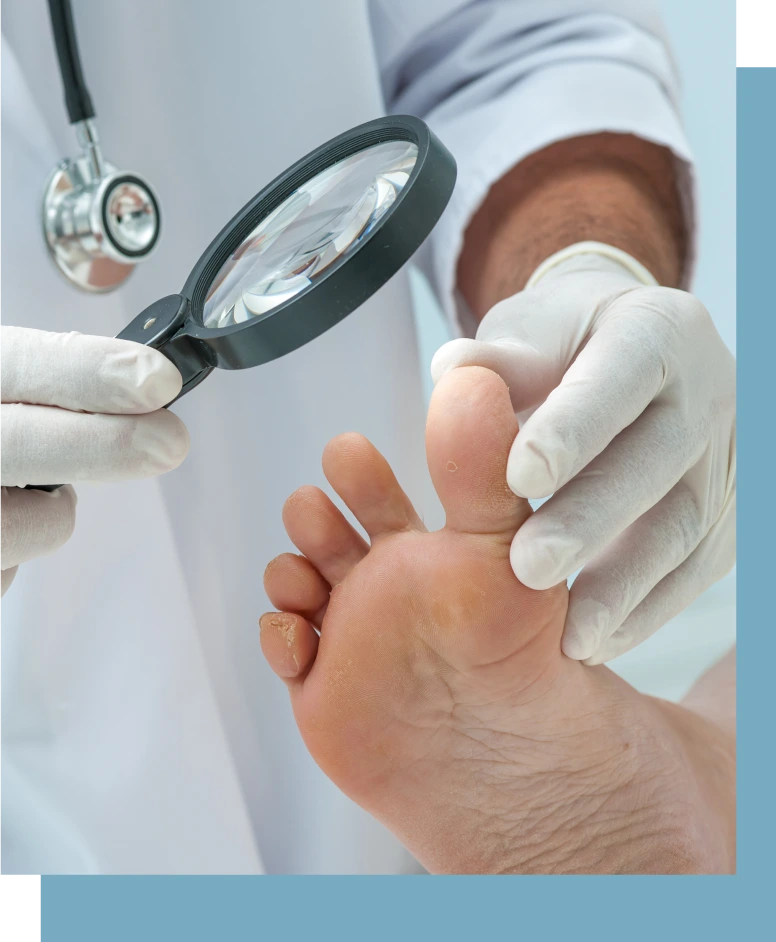
Plantar fasciitis is inflammation and microscopic tearing of the plantar fascia, the thick, bowstring-like band of tissue that runs from the heel bone to the toes and holds up the arch. When that band is overloaded, it tightens overnight and then rips slightly as you stand. Patients describe a sharp, stabbing pain in the bottom of the heel, worst with the first steps in the morning or after sitting at a desk.
Left untreated, the fascia can thicken, the pain can spread into the arch, and a heel spur can form where the fascia pulls on the bone. The spur is usually a result of the strain, not the original cause, which is why removing a spur without treating the fascia so often fails.
Plantar fasciitis is not the same as a bruised heel, Achilles tendinitis, or tarsal tunnel syndrome. Those conditions sit in neighboring real estate and are commonly misdiagnosed. A precise exam is what keeps you out of a months-long stretch-and-hope loop.
If the pain is on the back of the heel rather than the bottom, we look at the Achilles insertion and Haglund’s deformity instead.

Repetitive load on a tight fascia. Running, walking long city blocks, standing in a kitchen or on a sales floor, or jumping sports all load the same band.
A sudden jump in activity. A new marathon plan, a week of conference standing, or going from winter boots to flats overnight is a classic trigger.
Foot shape. Flat feet that overpronate and high-arched feet that do not absorb shock both overwork the fascia.
Unsupportive shoes. Ballet flats, worn running shoes, and fashionable heels with no platform all dump force onto the heel. High-heel recovery is one of the reasons patients find us, see heel comfort injections and Stiletto RX.
Tight calves. A stiff Achilles and calf complex pulls the heel bone and increases tension on the plantar fascia with every step.
Weight, age, and hard surfaces. Extra load and concrete sidewalks are a New York combination. The fascia does not get a soft landing here.
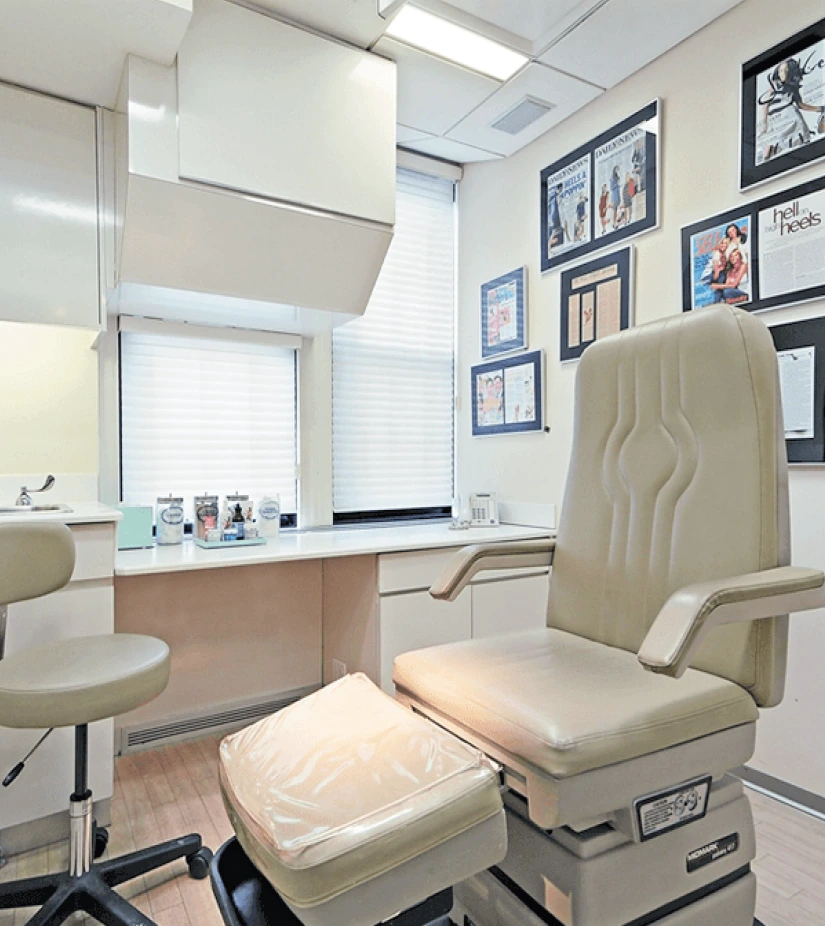
Your first visit is a working diagnosis, not a brochure. We review how the pain started, which shoes you live in, and what you need the foot to do, a race, a wedding, a 12-hour shift, or simply a painless morning.
The exam maps tenderness along the fascia, checks ankle flexibility, and watches you walk. We take X-rays when we need to rule out a stress fracture, arthritis, or a large spur. Ultrasound can show thickening of the fascia itself. If the story sounds more like nerve pain, we test for tarsal tunnel and peripheral neuropathy.
You leave with a plan: what to stop doing this week, what to wear tomorrow, and which treatments we will layer if the fascia does not calm on conservative care.
Most patients improve without surgery. We start with activity modification, targeted stretching (calf and fascia, done correctly, not aggressively), ice, and anti-inflammatory medication when appropriate. Night splints and taping have a role for the right foot.
AI-powered Footmaxx custom orthotics correct the mechanics that keep reinjuring the fascia, overpronation, a rigid cavus foot, or a heel that strikes too hard. This is not a drugstore gel cup. The device is built from your scan so the fascia is offloaded in the shoes you actually wear, including dress shoes when that is the job.
Heel comfort injections reduce inflammation at the fascia’s origin when pain is blocking sleep or work. We use them as a bridge, not a lifestyle. The goal is a quiet enough heel that stretching and orthotics can do their job.
For fascia that has been angry for months, stem cell injections bring concentrated healing cells to the damaged tissue rather than just numbing it. This is the path we offer patients who have cycled through cortisone elsewhere and still cannot walk the first hour of the day.
A small group of patients with chronic, structurally torn fascia need a release. Dr. Shalot evaluates that option only after conservative and regenerative care have been given a fair window. Surgery is a last chapter, not the opening.
Expect weeks, not days. The fascia heals slowly because it has a limited blood supply.
We would rather you miss two weeks of speed work than six months of everything.
Treating the inflamed origin of the fascia is what makes those first steps ordinary again.
Orthotics and calf flexibility keep the same tear from reopening every Monday.
We use injections with a purpose, then move you onto tissue that can actually heal.
An untreated limp becomes knee, hip, and back pain. The heel is usually the cheapest place to intervene.
Conservative care and follow-up visits typically fall in the $150–$600 range per visit depending on imaging and what is done in the room. Custom orthotics, heel injections, and regenerative procedures sit higher and are quoted after the exam. Many plans cover medically necessary evaluation and orthotics, our team verifies benefits before you commit. See insurance.
Many Manhattan clinics lead with a single device or a surgical suite. We lead with why your fascia tore in this city, in these shoes, on this foot. Dr. Levine built a practice around the mechanics of fashionable footwear and the aesthetic outcome patients still want when they are well. Dr. Shalot brings sports-medicine and reconstructive judgment for the cases that will not settle. Same office, one plan, no generic “rest and ice” printout.
Mild cases sometimes quiet down with rest. Most New Yorkers do not rest. Without a change in load or support, it typically becomes a months-long problem.
No. A spur can sit next to an angry fascia. We treat the fascia first. See our heel spur page.
When you can walk the first ten minutes of the day without a limp and the exam is no longer exquisitely tender. We will give you a staged return, not a date pulled from a blog.
Almost never as a first step. We reserve it for fascia that has failed a complete non-surgical program.
They cushion. They do not correct the motion that keeps tearing the band. That is what a custom device is for.