
A heel spur is a calcium deposit on the heel bone. It shows up on X-ray as a small hook, usually on the bottom of the heel where the plantar fascia attaches, or less often on the back of the heel at the Achilles. The spur itself is frequently not what hurts. The inflamed fascia or tendon next to it is.
Millennium Podiatry treats heel spurs in that order: calm the soft tissue, correct the mechanics, and only discuss removing bone when the spur is truly the problem.
A heel spur (calcaneal spur) is extra bone that forms where a tight, overworked soft-tissue structure pulls on the heel for months or years. Inferior spurs sit on the bottom of the heel and travel with plantar fasciitis. Posterior spurs sit at the back of the heel and travel with insertional Achilles tendinitis or Haglund’s deformity.
Plenty of people have a spur on X-ray and no pain. Plenty of people have terrible heel pain and a tiny spur. We treat the patient, not the radiograph.
You cannot diagnose a spur from the sidewalk. Clues that one may be part of the picture:
We examine the fascia, Achilles, fat pad, and nerve. X-rays confirm the spur and show its size and direction. That image also rules out a stress fracture or arthritis that can hide behind the same complaint. If the fascia is thick on ultrasound, that is usually the treatment target, even if the spur looks dramatic.
Stretching done correctly, activity modification, and anti-inflammatory measures calm the tissue the spur is irritating.
Custom orthotics change how the heel hits the ground so the fascia stops yanking on the same millimeter of bone every step. This is the most important long-term tool for inferior spurs.
Heel comfort injections reduce the inflammatory flare around the spur when pain is running your morning.
Stem cell injections are for the chronic, thickened fascia or insertional Achilles that has stopped responding to rest.
Removing a spur makes sense when a large posterior spur or Haglund’s prominence is physically grinding the Achilles, or when an inferior spur is part of a fascia that has failed every non-surgical option. Dr. Shalot will tell you if you are in that group. Most patients are not.
Soft-tissue treatment follows the plantar fasciitis timeline, weeks to a few months. If bone is removed, expect a protected-weight-bearing period measured in weeks, then a gradual return to regular shoes. We do not put you in a boot “just in case.”
Evaluation and conservative care typically range $150–$800 depending on imaging and in-office procedures. Orthotics and regenerative injections are quoted separately. Surgical removal, when indicated, is a different conversation and a different number. We check insurance against the plan we actually recommend.
The bone stays. The pain does not have to. Most people do well without ever removing it.
Only if we can show it is the mechanical problem (usually a posterior spur or Haglund’s) and non-surgical care has failed.
No. They are frequent companions. Read both pages; your plan may use both.
A heel spur is a calcium deposit on the heel bone. It shows up on X-ray as a small hook, usually on the bottom of the heel where the plantar fascia attaches, or less often on the back of the heel at the Achilles. The spur itself is frequently not what hurts. The inflamed fascia or tendon next to it is.
Millennium Podiatry treats heel spurs in that order: calm the soft tissue, correct the mechanics, and only discuss removing bone when the spur is truly the problem.
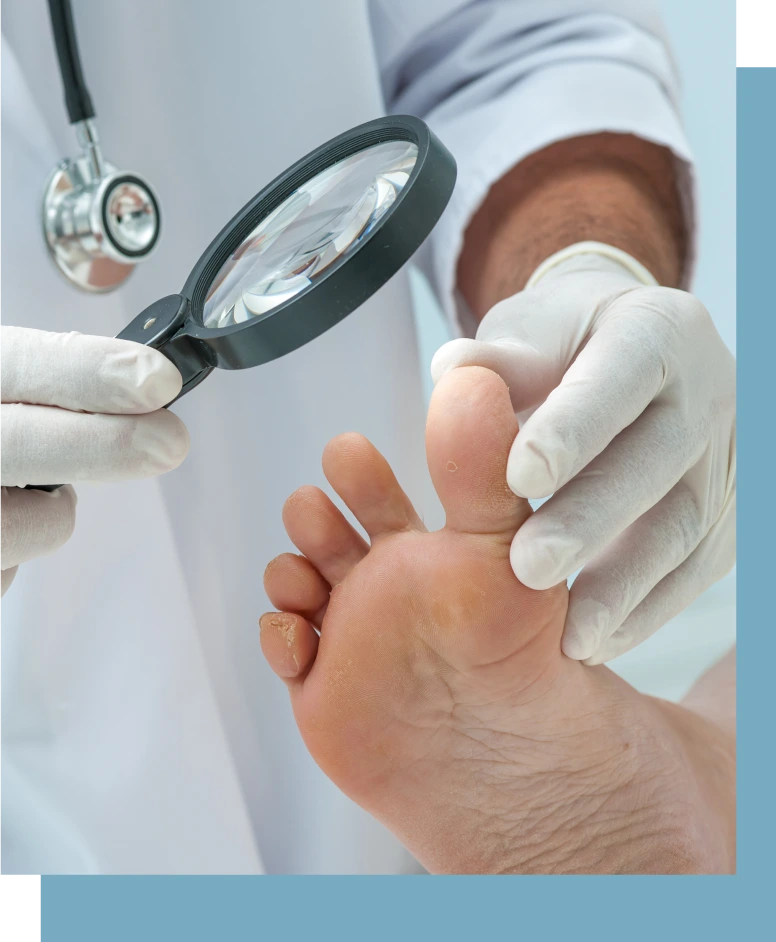
A heel spur (calcaneal spur) is extra bone that forms where a tight, overworked soft-tissue structure pulls on the heel for months or years. Inferior spurs sit on the bottom of the heel and travel with plantar fasciitis. Posterior spurs sit at the back of the heel and travel with insertional Achilles tendinitis or Haglund’s deformity.
Plenty of people have a spur on X-ray and no pain. Plenty of people have terrible heel pain and a tiny spur. We treat the patient, not the radiograph.
You cannot diagnose a spur from the sidewalk. Clues that one may be part of the picture:

We examine the fascia, Achilles, fat pad, and nerve. X-rays confirm the spur and show its size and direction. That image also rules out a stress fracture or arthritis that can hide behind the same complaint. If the fascia is thick on ultrasound, that is usually the treatment target, even if the spur looks dramatic.
Stretching done correctly, activity modification, and anti-inflammatory measures calm the tissue the spur is irritating.
Custom orthotics change how the heel hits the ground so the fascia stops yanking on the same millimeter of bone every step. This is the most important long-term tool for inferior spurs.
Heel comfort injections reduce the inflammatory flare around the spur when pain is running your morning.
Stem cell injections are for the chronic, thickened fascia or insertional Achilles that has stopped responding to rest.
Removing a spur makes sense when a large posterior spur or Haglund’s prominence is physically grinding the Achilles, or when an inferior spur is part of a fascia that has failed every non-surgical option. Dr. Shalot will tell you if you are in that group. Most patients are not.
Soft-tissue treatment follows the plantar fasciitis timeline, weeks to a few months. If bone is removed, expect a protected-weight-bearing period measured in weeks, then a gradual return to regular shoes. We do not put you in a boot “just in case.”
Evaluation and conservative care typically range $150–$800 depending on imaging and in-office procedures. Orthotics and regenerative injections are quoted separately. Surgical removal, when indicated, is a different conversation and a different number. We check insurance against the plan we actually recommend.
The bone stays. The pain does not have to. Most people do well without ever removing it.
Only if we can show it is the mechanical problem (usually a posterior spur or Haglund’s) and non-surgical care has failed.
No. They are frequent companions. Read both pages; your plan may use both.