
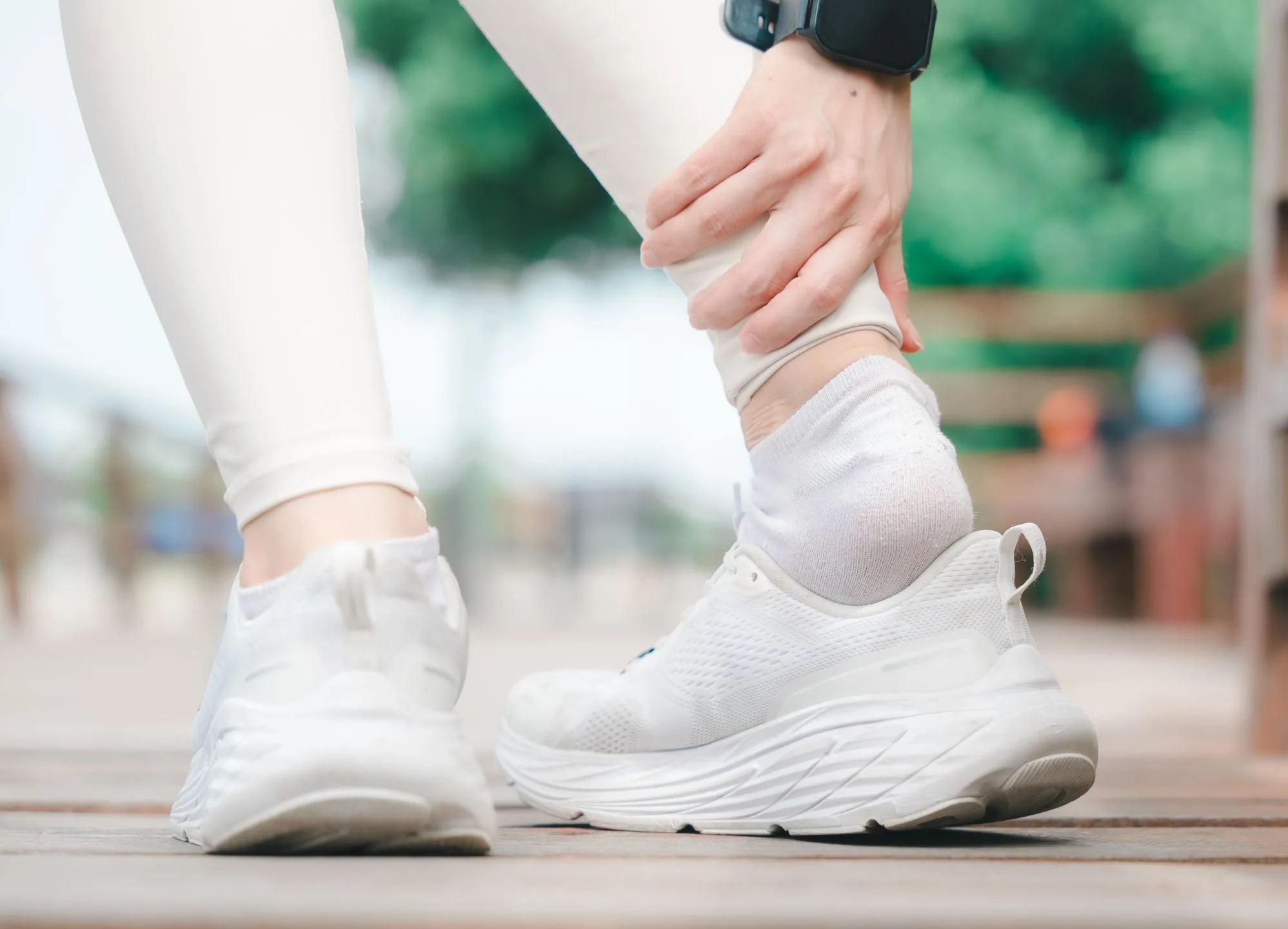
Most cases of Achilles tendonitis heal in 6 to 12 weeks with proper care. Mild cases can settle in 2 to 6 weeks. Long-standing or severe cases may take 3 to 6 months or more. The exact timeline depends on three things: how irritated the tendon is, how soon treatment starts, and how well the tendon is protected while it recovers.
This guide, explains each stage of recovery and what you can do to keep healing on track. At Millennium Podiatry, Dr. Suzanne Levine and Dr. Jonathan Shalot treat Achilles pain in runners, dancers, athletes and everyday walkers. Both are Board-Certified Podiatrists.
The Achilles tendon connects your calf muscles to your heel bone. It handles a large load every time you walk, climb stairs or push off to run. When it becomes irritated, it needs time and reduced stress to repair. Healing time follows the severity of the problem.
Mild tendonitis usually shows up as stiffness in the back of the heel. The stiffness is often worse first thing in the morning or at the start of a workout. Pain may ease once you warm up.
With early rest, ice, supportive shoes and fewer high-impact activities, many patients feel much better within a few weeks. The key is to stop the activity that caused the strain before the irritation deepens.
Moderate cases bring pain that lasts through activity and lingers afterward. You may notice swelling, tenderness when you squeeze the tendon, or a thickened area along the back of the ankle.
Recovery at this stage usually calls for a structured plan. That plan often includes activity changes, footwear adjustments, heel support and a gradual stretching and strengthening program. Most patients return to normal activity within two to three months if they follow the plan.
Severe cases involve constant pain, even at rest, and a tendon that may feel thick or knotted. Over time, the tendon tissue can begin to break down. This is sometimes called tendinosis.
Healing at this stage is slower because the tissue itself has changed. Recovery often takes several months. It may require more advanced treatment, such as Stem Cell Injections, to support tissue repair.
Acute tendonitis comes on quickly, often after a sudden jump in training, a new sport or a change in shoes. It tends to respond well to prompt care.
Chronic tendonitis builds slowly or keeps coming back. It is harder to treat because the tendon has been under stress for months or years. Chronic cases need patience and a plan that addresses the root cause, not just the pain.
Two people with the same diagnosis can heal on very different schedules. These are the factors that make the biggest difference.
The more the tendon is damaged, the longer it takes to recover. Mild inflammation can calm down in weeks. A tendon with thickening or tissue breakdown needs more time to rebuild its strength. An accurate diagnosis at the start sets realistic expectations.
Treatment started in the first few weeks of symptoms usually leads to a shorter recovery. When patients push through pain for months, the tendon can shift from a short-term problem to a long-term one. Delayed care is one of the most common reasons healing stretches past the typical timeline.
Tendons lose some elasticity and blood supply with age, so they may heal more slowly in older adults. Health conditions that affect circulation, such as diabetes, can also slow tissue repair. Our podiatrists review your overall health so your plan fits your body.
Active patients often develop Achilles tendonitis because of repeated stress on the tendon. That same activity can slow healing if it continues too soon. Rest does not always mean stopping all movement. It means cutting back on the activities that strain the tendon while staying active in safer ways.
Our Sports Podiatrist care helps athletes and dancers adjust training so they can stay fit while the tendon recovers.
Recovery depends heavily on what happens between visits. Patients who wear supportive shoes, do their exercises and follow activity limits tend to heal on schedule. Skipping steps or returning to full activity at the first sign of relief often leads to setbacks.
Achilles pain that is treated early is easier to resolve. Prompt care helps:
Keep inflammation from turning into lasting tendon damage
Shorten total recovery time
Lower the chance of the problem coming back
Spot related problems before they worsen
Heel pain is not always tendonitis. Our office has an on-site X-ray machine, which helps our podiatrists check for bone changes behind the heel. One example is Haglund’s deformity, a bony bump that can rub against the Achilles tendon. Heel spurs can also play a role. Finding these issues early means treatment targets the real cause.
Foot structure matters too. Flat feet or high arches can change how force travels through the heel and tendon. Custom Orthotics are insoles made to align the foot, relieve pain and support a healthier stride. That can take strain off the Achilles while it heals.
With more than 30 years of experience at Millennium Podiatry, our team focuses on high-tech, non-surgical options for active patients whenever possible. Stem Cell Injections are one of these options. They are designed to repair damaged tissue, encourage healing and improve mobility, which can help with chronic tendon pain.
Some heel soreness after a hard workout is normal. See a podiatrist if you notice any of the following:
Pain in the back of the heel that lasts more than one to two weeks despite rest
Swelling, warmth or thickening along the tendon
Morning stiffness that keeps getting worse
Pain that limits walking, climbing stairs or exercise
Trouble rising up onto your toes
Achilles pain that keeps coming back
Seek care right away if you feel a sudden pop or snap in the back of the ankle. Sharp pain or trouble walking afterward is also a warning sign. These symptoms can signal a tendon tear or rupture, which needs prompt evaluation.
You can learn more about this condition on our Achilles Tendonitis.
These habits can help your tendon heal on schedule:
Reduce high-impact activity. Pause running, jumping and hill work until your podiatrist clears you to return.
Choose low-impact exercise. Swimming and cycling keep you fit with less tendon strain.
Ice after activity. Apply ice for 15 to 20 minutes to ease soreness and swelling.
Wear supportive shoes. Shoes with a slight heel and good cushioning reduce tension on the tendon. Avoid completely flat shoes and going barefoot on hard floors.
Consider heel lifts or orthotics. Extra heel height and arch support lower the load on the Achilles.
Stretch and strengthen gradually. Gentle calf stretches and guided strengthening exercises rebuild tendon resilience. Start them only when your podiatrist recommends.
Return to activity slowly. Increase time and intensity a little each week. A sudden jump back to full training is a common cause of relapse.
Listen to pain. Mild discomfort can be normal during recovery. Sharp or increasing pain means you should ease off.
The answer to “How Long Does Achilles Tendonitis Take to Heal? Key Factors” comes down to severity, timing and follow-through. Mild cases often improve in 2 to 6 weeks, and moderate cases in 6 to 12 weeks. Severe or chronic cases can take 3 to 6 months or more. Early diagnosis, supportive footwear, smart activity changes and a consistent treatment plan give your tendon the conditions to heal and help keep it from coming back.

About the Author
Dr. Suzanne Levine
Named one of America’s Top Podiatrists and is one of the most internationally acclaimed podiatrists in the industry.

October 13, 2026
