
New York athletes do not have a season so much as a sidewalk. Runners, dancers, court players, and the people who walk 15,000 steps between meetings all load the same 26 bones, then ask them to do it again tomorrow. Sports podiatry at Millennium Podiatry is the practice of keeping that system available.
Dr. Jonathan Shalot brings reconstructive, minimally invasive, and sports-trauma training. Dr. Suzanne Levine brings decades of work with dancers, media, and anyone whose job is done in a heel. The overlap is the point.
Sports podiatry is not a separate license. It is a way of examining a foot that has a deadline, a race, an opening night, a season. We diagnose the tissue, fix the load that injured it, and give you a return that is staged to the sport, not to a generic “six weeks.”
It includes:
We want the shoe you train in, the shoe that hurt you, and an honest account of the last four weeks of load. The exam is sport-specific: hop tests, relevé, single-heel rise, cutting, whatever reproduces the problem. Imaging follows the exam, not the other way around.
If the diagnosis is a stress fracture, we will say so even if the race is in three weeks. A DNF is better than a season.
We clear you by tissue capacity, not by optimism.
Skipping 3 is how people meet us the second time.
A sports-focused evaluation typically $200–$500 depending on imaging. Orthotics, injections, and procedures are quoted after the diagnosis. Medically necessary care is often insurable. Performance-only services may not be.
Sometimes, in a form that does not feed the injury. We will name that form. “Train through it” is not a plan.
For a foot and ankle mechanical problem, a podiatric sports exam is the right first stop. We refer out when the problem is not ours.
Adolescent athletes with growth-plate and overuse injuries are evaluated case by case. Call the office.
The license is the same. The questions, the tests, and the return-to-play plan are not.
New York athletes do not have a season so much as a sidewalk. Runners, dancers, court players, and the people who walk 15,000 steps between meetings all load the same 26 bones, then ask them to do it again tomorrow. Sports podiatry at Millennium Podiatry is the practice of keeping that system available.
Dr. Jonathan Shalot brings reconstructive, minimally invasive, and sports-trauma training. Dr. Suzanne Levine brings decades of work with dancers, media, and anyone whose job is done in a heel. The overlap is the point.
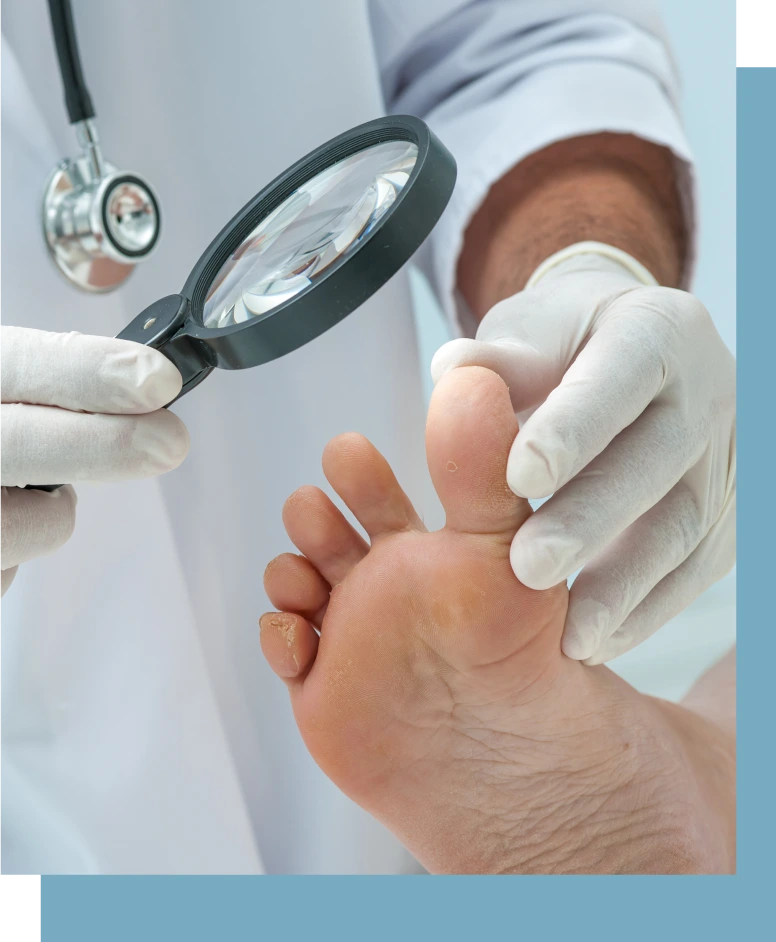
Sports podiatry is not a separate license. It is a way of examining a foot that has a deadline, a race, an opening night, a season. We diagnose the tissue, fix the load that injured it, and give you a return that is staged to the sport, not to a generic “six weeks.”
It includes:

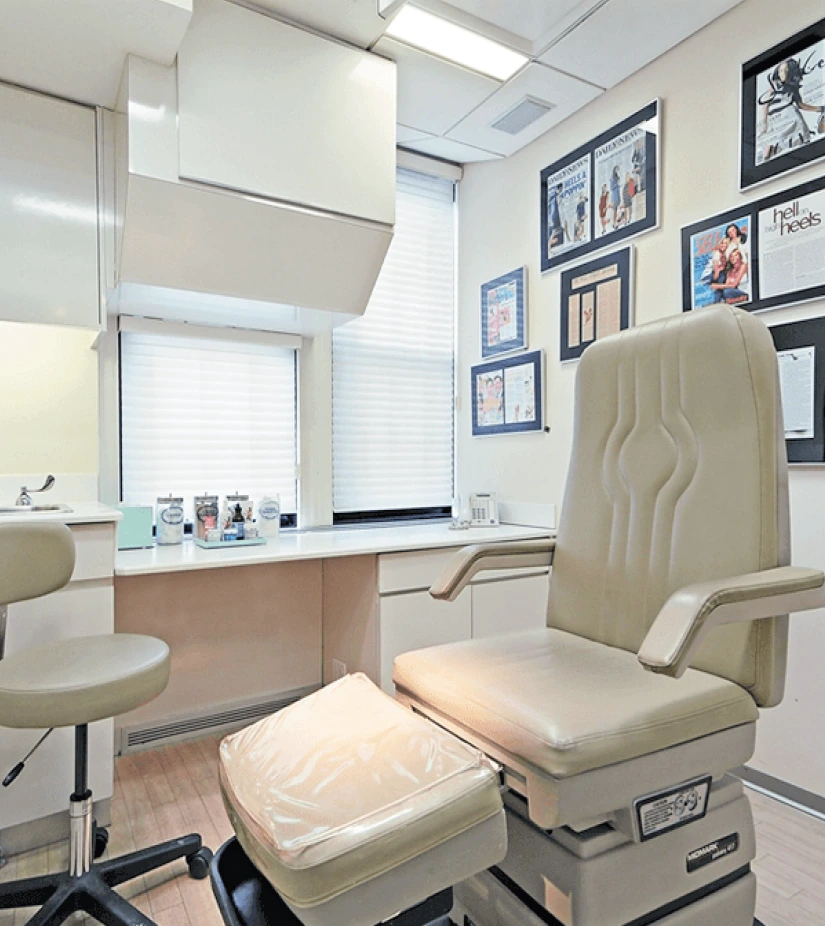
We want the shoe you train in, the shoe that hurt you, and an honest account of the last four weeks of load. The exam is sport-specific: hop tests, relevé, single-heel rise, cutting, whatever reproduces the problem. Imaging follows the exam, not the other way around.
If the diagnosis is a stress fracture, we will say so even if the race is in three weeks. A DNF is better than a season.
We clear you by tissue capacity, not by optimism.
Skipping 3 is how people meet us the second time.
A sports-focused evaluation typically $200–$500 depending on imaging. Orthotics, injections, and procedures are quoted after the diagnosis. Medically necessary care is often insurable. Performance-only services may not be.
Sometimes, in a form that does not feed the injury. We will name that form. “Train through it” is not a plan.
For a foot and ankle mechanical problem, a podiatric sports exam is the right first stop. We refer out when the problem is not ours.
Adolescent athletes with growth-plate and overuse injuries are evaluated case by case. Call the office.
The license is the same. The questions, the tests, and the return-to-play plan are not.