Under the big-toe joint sit two small bones, the sesamoids, like tiny kneecaps for the toe. They take the entire push-off of walking, dancing, and a stiletto. When they inflame (or crack) every step onto the ball of the foot feels personal. Sesamoiditis is one of the reasons high-heel patients find Dr. Levine, and one of the reasons dancers find Dr. Shalot.
Sesamoiditis is inflammation of the sesamoid bones or the tendons that attach to them. A sesamoid can also fracture (see stress fractures) or develop arthritis. The pain is under the first metatarsal head (the ball of the foot on the big-toe side) and is easy to mislabel as a neuroma or generic metatarsalgia.
We press each sesamoid, watch toe-off, and X-ray. Sesamoids can be bipartite (in two pieces from birth); that is not automatically a fracture. If the film is quiet and the bone is exquisitely tender, we treat it as a stressed sesamoid and image further when it does not follow the expected curve.
A dancer’s pad, a cutout under the first metatarsal, a stiff-soled shoe, and sometimes a boot. The bone needs a vacation from push-off.
Custom devices that shift load off the sesamoids are the long-term answer for a foot that is built to overload them.
When the fat pad is gone, Pillows For Your Feet® put something between bone and sidewalk again.
Used sparingly. A sesamoid that is fractured or badly arthritic will not be talked out of it with cortisone. Stem cell options are for selected chronic cases.
Partial or complete sesamoid removal is a last resort because it changes big-toe mechanics. Dr. Shalot will say so if we are even having the conversation.
Expect weeks of modified push-off. Dancers and runners return in stages. Heels return when the bone is quiet and the cushion is in place; not as a test of willpower.
Evaluation typically $150–$400. Padding, orthotics, fillers, and regenerative injections are quoted after imaging. Surgery, rare, is separate. Insurance often applies to the medical evaluation.
Neuromas live between the third and fourth toes more often than under the first. Location matters.
Usually, after a period of offloading and a return that does not start at full rehearsal volume.
Almost never as plan A.
Under the big-toe joint sit two small bones, the sesamoids, like tiny kneecaps for the toe. They take the entire push-off of walking, dancing, and a stiletto. When they inflame (or crack) every step onto the ball of the foot feels personal. Sesamoiditis is one of the reasons high-heel patients find Dr. Levine, and one of the reasons dancers find Dr. Shalot.
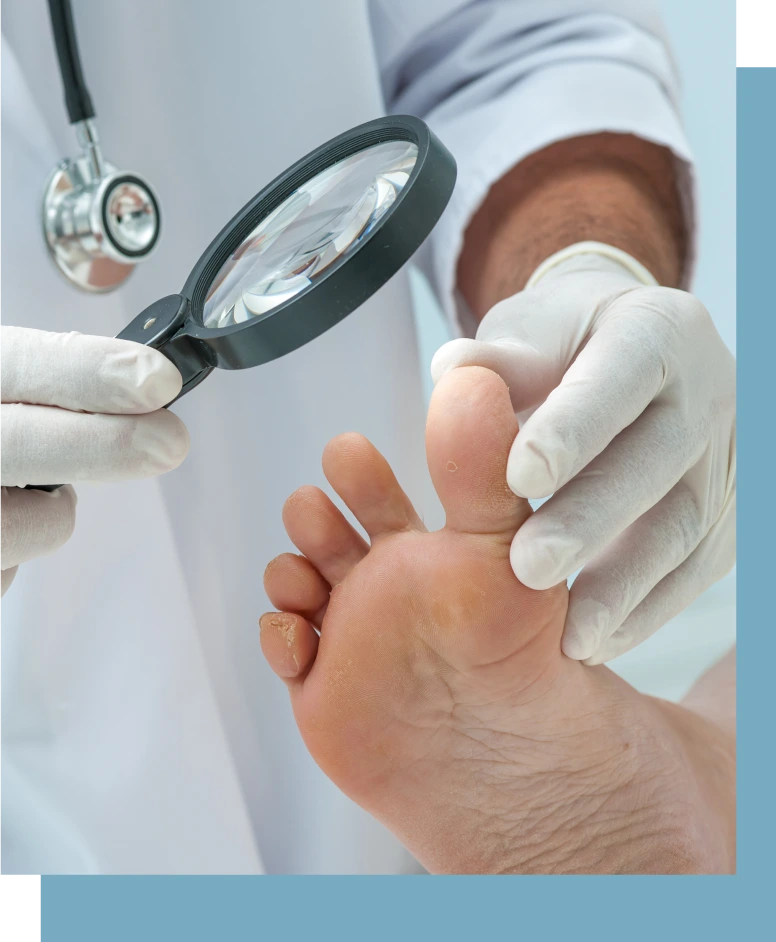
Sesamoiditis is inflammation of the sesamoid bones or the tendons that attach to them. A sesamoid can also fracture (see stress fractures) or develop arthritis. The pain is under the first metatarsal head (the ball of the foot on the big-toe side) and is easy to mislabel as a neuroma or generic metatarsalgia.

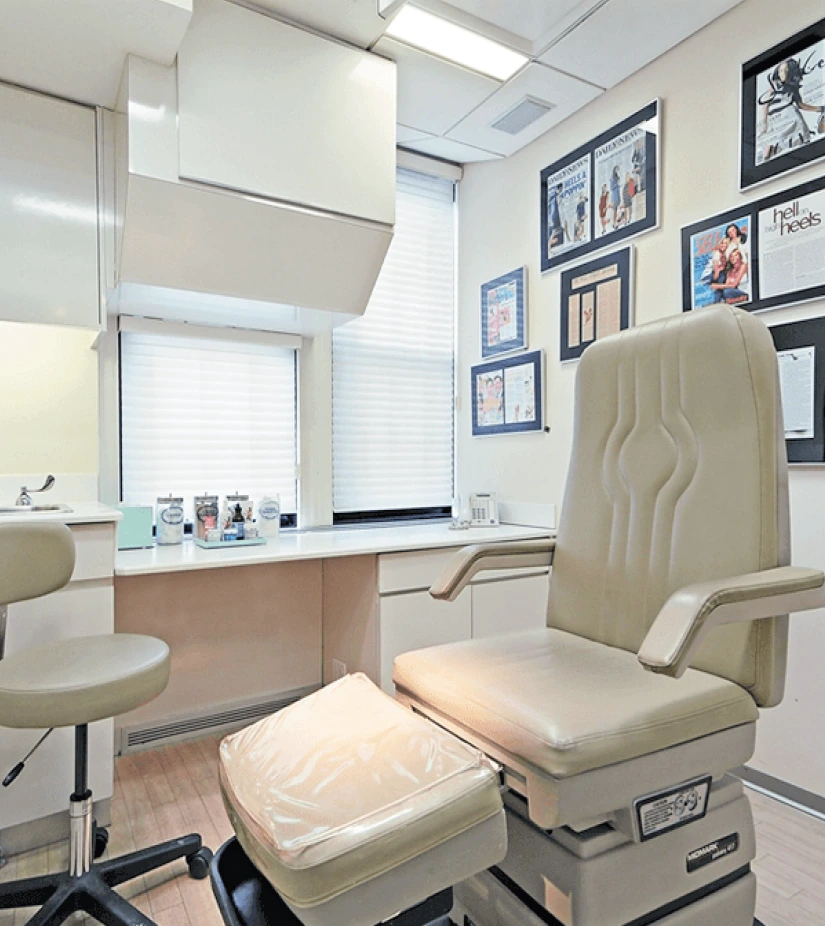
We press each sesamoid, watch toe-off, and X-ray. Sesamoids can be bipartite (in two pieces from birth); that is not automatically a fracture. If the film is quiet and the bone is exquisitely tender, we treat it as a stressed sesamoid and image further when it does not follow the expected curve.
A dancer’s pad, a cutout under the first metatarsal, a stiff-soled shoe, and sometimes a boot. The bone needs a vacation from push-off.
Custom devices that shift load off the sesamoids are the long-term answer for a foot that is built to overload them.
When the fat pad is gone, Pillows For Your Feet® put something between bone and sidewalk again.
Used sparingly. A sesamoid that is fractured or badly arthritic will not be talked out of it with cortisone. Stem cell options are for selected chronic cases.
Partial or complete sesamoid removal is a last resort because it changes big-toe mechanics. Dr. Shalot will say so if we are even having the conversation.
Expect weeks of modified push-off. Dancers and runners return in stages. Heels return when the bone is quiet and the cushion is in place; not as a test of willpower.
Evaluation typically $150–$400. Padding, orthotics, fillers, and regenerative injections are quoted after imaging. Surgery, rare, is separate. Insurance often applies to the medical evaluation.
Neuromas live between the third and fourth toes more often than under the first. Location matters.
Usually, after a period of offloading and a return that does not start at full rehearsal volume.
Almost never as plan A.