A high arch looks elegant and behaves like a rigid lever. Instead of sharing load across the whole sole, a cavus foot dumps force into the heel and the ball of the foot. The result is calluses, metatarsalgia, ankle sprains, sesamoiditis, and a back that is tired of the heel strike. Millennium Podiatry treats the arch as a structure, not a compliment.
Pes cavus is an arch that sits too high and usually does not pronate enough to absorb shock. The heel often tilts inward. The first metatarsal often points down, which overloads the sesamoids. Toes may claw. Some cavus feet are flexible; some are rigid. Some are inherited. A cavus foot that is getting higher, or is one-sided, can be a neurologic problem; we do not ignore that.
This is the opposite problem from flat foot, and the orthotic is the opposite shape. Using a flat-foot insert in a cavus foot makes things worse.
We look at the arch standing and sitting, the heel from behind, and the first ray. A neurologic screen is part of a new or progressive cavus exam. X-rays quantify the angles. We watch you walk, cavus gait is a signature.
Custom orthotics for cavus feet cushion the heel and ball, accommodate the arch rather than jamming it, and can include a recess for a plantarflexed first metatarsal. This is not a drugstore arch cookie.
Cavus feet wear out their cushion. Pillows For Your Feet® help when fat pad atrophy is part of the pain.
Lateral-ankle strengthening and proprioception for the sprain-prone cavus ankle.
Selected cases (a severely plantarflexed first ray, a heel that will not come out of varus, claw toes) need reconstructive realignment with Dr. Shalot. Flexible, painful cavus feet usually do not start there.
Orthotics and fillers have essentially no downtime. Reconstructive osteotomies do. We stage that conversation.
Evaluation typically $150–$400. Custom orthotics are quoted after the scan. Fillers and any reconstructive surgery are separate. Insurance often covers medically necessary devices.
They are a foot type. They are not a virtue, and they are not a diagnosis of health.
Because they pushed up into an arch that does not want to be pushed. Cavus devices accommodate.
If the arch is high, one-sided, or getting higher, yes.
A high arch looks elegant and behaves like a rigid lever. Instead of sharing load across the whole sole, a cavus foot dumps force into the heel and the ball of the foot. The result is calluses, metatarsalgia, ankle sprains, sesamoiditis, and a back that is tired of the heel strike. Millennium Podiatry treats the arch as a structure, not a compliment.
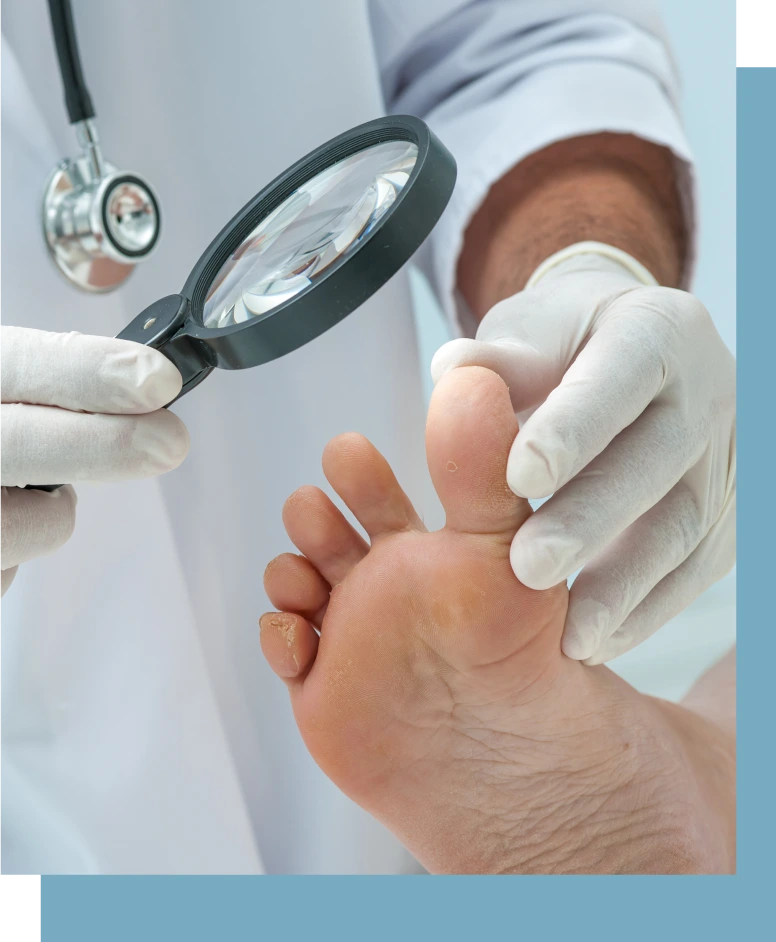
Pes cavus is an arch that sits too high and usually does not pronate enough to absorb shock. The heel often tilts inward. The first metatarsal often points down, which overloads the sesamoids. Toes may claw. Some cavus feet are flexible; some are rigid. Some are inherited. A cavus foot that is getting higher, or is one-sided, can be a neurologic problem; we do not ignore that.
This is the opposite problem from flat foot, and the orthotic is the opposite shape. Using a flat-foot insert in a cavus foot makes things worse.

We look at the arch standing and sitting, the heel from behind, and the first ray. A neurologic screen is part of a new or progressive cavus exam. X-rays quantify the angles. We watch you walk, cavus gait is a signature.
Custom orthotics for cavus feet cushion the heel and ball, accommodate the arch rather than jamming it, and can include a recess for a plantarflexed first metatarsal. This is not a drugstore arch cookie.
Cavus feet wear out their cushion. Pillows For Your Feet® help when fat pad atrophy is part of the pain.
Lateral-ankle strengthening and proprioception for the sprain-prone cavus ankle.
Selected cases (a severely plantarflexed first ray, a heel that will not come out of varus, claw toes) need reconstructive realignment with Dr. Shalot. Flexible, painful cavus feet usually do not start there.
Orthotics and fillers have essentially no downtime. Reconstructive osteotomies do. We stage that conversation.
Evaluation typically $150–$400. Custom orthotics are quoted after the scan. Fillers and any reconstructive surgery are separate. Insurance often covers medically necessary devices.
They are a foot type. They are not a virtue, and they are not a diagnosis of health.
Because they pushed up into an arch that does not want to be pushed. Cavus devices accommodate.
If the arch is high, one-sided, or getting higher, yes.