
Heel pain is the most common reason a New Yorker books a podiatry visit, and the most common reason they waste months treating the wrong structure. Pain in the bottom of the heel is usually plantar fasciitis. Pain in the back of the heel is usually the Achilles or a Haglund’s deformity. Pain that burns or tingles may not be the heel at all.
At Millennium Podiatry we diagnose the source first. Dr. Suzanne Levine and Dr. Jonathan Shalot use exam, gait analysis, and imaging so the treatment you start this week is the one that actually belongs to your heel.
“Heel pain” is a location, not a disease. The plantar fascia, the fat pad, the heel bone, the Achilles tendon, the bursa behind the heel, and the tibial nerve all refer pain to a space smaller than your palm. Stretching a nerve problem or injecting a stress fracture is how people get worse while following good-sounding advice.
This page is the map. The individual condition pages are the detailed treatment plans.
Tell us when it hurts, not just that it hurts.
We watch you walk, press the spots that make you jump, and check calf flexibility and nerve sensation. X-rays show spurs, Haglund’s prominences, and most fractures. Ultrasound shows the fascia and Achilles in motion. If the story is a stress injury and the X-ray is quiet, we do not pretend the bone is fine.
Bring the shoes that hurt and the shoes that don’t. That pair of information is worth more than a questionnaire.
Treatment follows the structure we name.
There is no single heel-pain protocol. There is a correct one for your heel.
Bottom-of-heel fascia pain often turns the corner in 3–6 weeks with a real plan. Bone and tendon take longer. We set the timeline at the visit so you are not measuring yourself against someone else’s Instagram stretch routine.
Anyone whose heel is dictating their morning, their commute, or their training. Especially patients who have already been told “it’s just plantar fasciitis” and are not better.
An evaluation typically starts in the $150–$400 range depending on imaging. Orthotics, injections, and regenerative procedures are quoted after we know which heel problem you have. We verify insurance before those next steps.
Relative rest, yes. Complete rest without a diagnosis is how a stress fracture gets walked on and a fascia problem becomes chronic.
Not first. Exam plus X-ray or ultrasound answers most heel questions. We order MRI when the story and the simple tests disagree.
Sometimes, with the right cushioning and a quieter fascia. That is a conversation, not a lecture. See heel comfort injections.
Heel pain is the most common reason a New Yorker books a podiatry visit, and the most common reason they waste months treating the wrong structure. Pain in the bottom of the heel is usually plantar fasciitis. Pain in the back of the heel is usually the Achilles or a Haglund’s deformity. Pain that burns or tingles may not be the heel at all.
At Millennium Podiatry we diagnose the source first. Dr. Suzanne Levine and Dr. Jonathan Shalot use exam, gait analysis, and imaging so the treatment you start this week is the one that actually belongs to your heel.

“Heel pain” is a location, not a disease. The plantar fascia, the fat pad, the heel bone, the Achilles tendon, the bursa behind the heel, and the tibial nerve all refer pain to a space smaller than your palm. Stretching a nerve problem or injecting a stress fracture is how people get worse while following good-sounding advice.
This page is the map. The individual condition pages are the detailed treatment plans.

Tell us when it hurts, not just that it hurts.
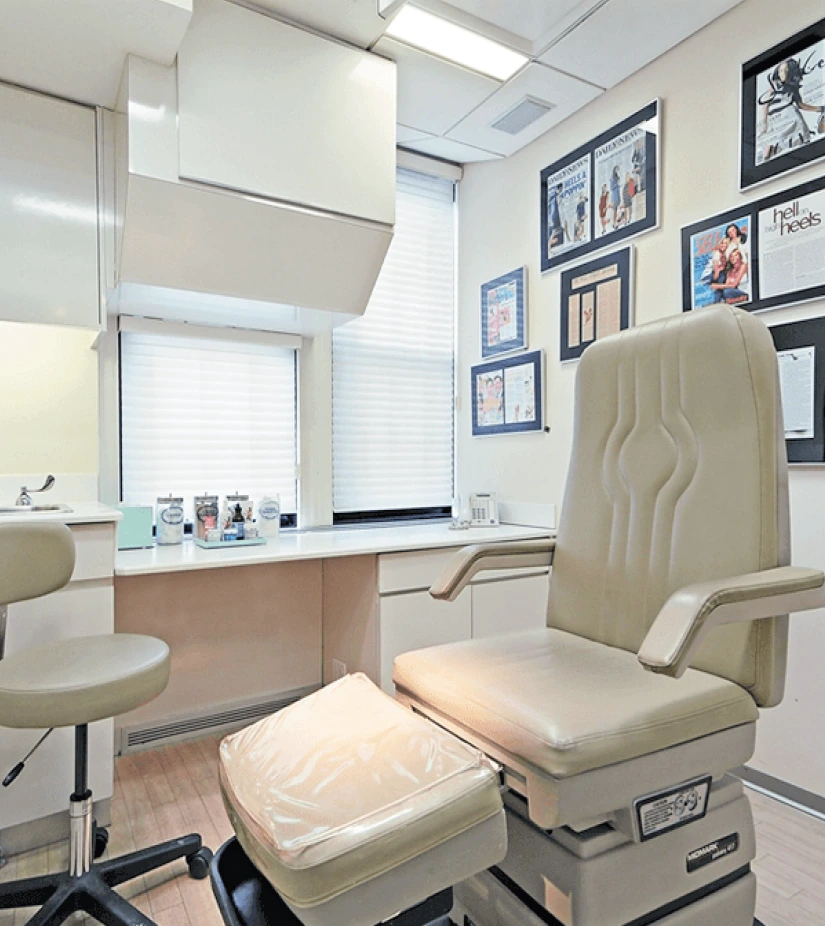
We watch you walk, press the spots that make you jump, and check calf flexibility and nerve sensation. X-rays show spurs, Haglund’s prominences, and most fractures. Ultrasound shows the fascia and Achilles in motion. If the story is a stress injury and the X-ray is quiet, we do not pretend the bone is fine.
Bring the shoes that hurt and the shoes that don’t. That pair of information is worth more than a questionnaire.
Treatment follows the structure we name.
There is no single heel-pain protocol. There is a correct one for your heel.
Bottom-of-heel fascia pain often turns the corner in 3–6 weeks with a real plan. Bone and tendon take longer. We set the timeline at the visit so you are not measuring yourself against someone else’s Instagram stretch routine.
Anyone whose heel is dictating their morning, their commute, or their training. Especially patients who have already been told “it’s just plantar fasciitis” and are not better.
An evaluation typically starts in the $150–$400 range depending on imaging. Orthotics, injections, and regenerative procedures are quoted after we know which heel problem you have. We verify insurance before those next steps.
Relative rest, yes. Complete rest without a diagnosis is how a stress fracture gets walked on and a fascia problem becomes chronic.
Not first. Exam plus X-ray or ultrasound answers most heel questions. We order MRI when the story and the simple tests disagree.
Sometimes, with the right cushioning and a quieter fascia. That is a conversation, not a lecture. See heel comfort injections.
Medicare patients: Medicare covers medically necessary heel pain treatment when documented by your podiatrist. Learn what Part B pays and what to expect in our guide: Medicare Coverage for Heel Pain Treatment.