
Gout does not ease into the week. It arrives at 2 a.m., usually in the big-toe joint, and makes a bedsheet feel like gravel. The joint is hot, red, swollen, and so painful that you hop. Millennium Podiatry sees this as an emergency for comfort and a diagnostic emergency, because the same picture can be an infection, and those two problems do not share a treatment.
Gout is an inflammatory arthritis caused by uric acid crystals depositing in a joint. The first metatarsophalangeal joint (the big-toe joint) is the classic site (podagra) but gout can hit the midfoot, ankle, or Achilles bursa. Over time, untreated gout becomes chronic foot arthritis and can form chalky tophi under the skin.
It is not a bunion flare, and it is not hallux limitus, though a patient can have both.
Fever, spreading redness, or a wound near the joint raises the infection question. We do not guess.
Uric acid rises because the body makes too much or the kidneys clear too little. Attacks are pulled by:
If you are in the middle of an attack, say so when you call ((212) 535-0229) so we can see you quickly. We examine the joint, review your history, and often order labs (uric acid, infection markers). Fluid from the joint, when we can obtain it, is the gold-standard way to see crystals and rule out septic arthritis. X-rays look for established gouty damage or a competing diagnosis.
Anti-inflammatory medication, when safe for you, is the first tool. We protect the joint, sometimes with a short period of limited walking, and treat pain as the emergency it feels like.
Guessing “gout” for years without a uric-acid plan is how people collect joint damage.
Diet is part of it. Medication that lowers uric acid is often the larger part, coordinated with your internist or rheumatologist. We handle the foot; we do not ignore the chemistry.
Once the fire is out, orthotics and shoe changes reduce trauma to a joint that just declared itself vulnerable. Chronic gouty joints may need the same arthritis tools we use on big-toe arthritis.
A treated attack usually turns the corner in 24–72 hours. Residual swelling can linger. Chronic tophaceous gout is a longer project.
An urgent visit with imaging and labs typically ranges $200–$600. Aspiration, if performed, is additional. Prevention is mostly medical follow-up and is often covered.
Not during an attack that is this painful, and not if infection is on the list.
It often drops while the crystals are dumping into the joint. We interpret the number in context.
No.
Gout does not ease into the week. It arrives at 2 a.m., usually in the big-toe joint, and makes a bedsheet feel like gravel. The joint is hot, red, swollen, and so painful that you hop. Millennium Podiatry sees this as an emergency for comfort and a diagnostic emergency, because the same picture can be an infection, and those two problems do not share a treatment.
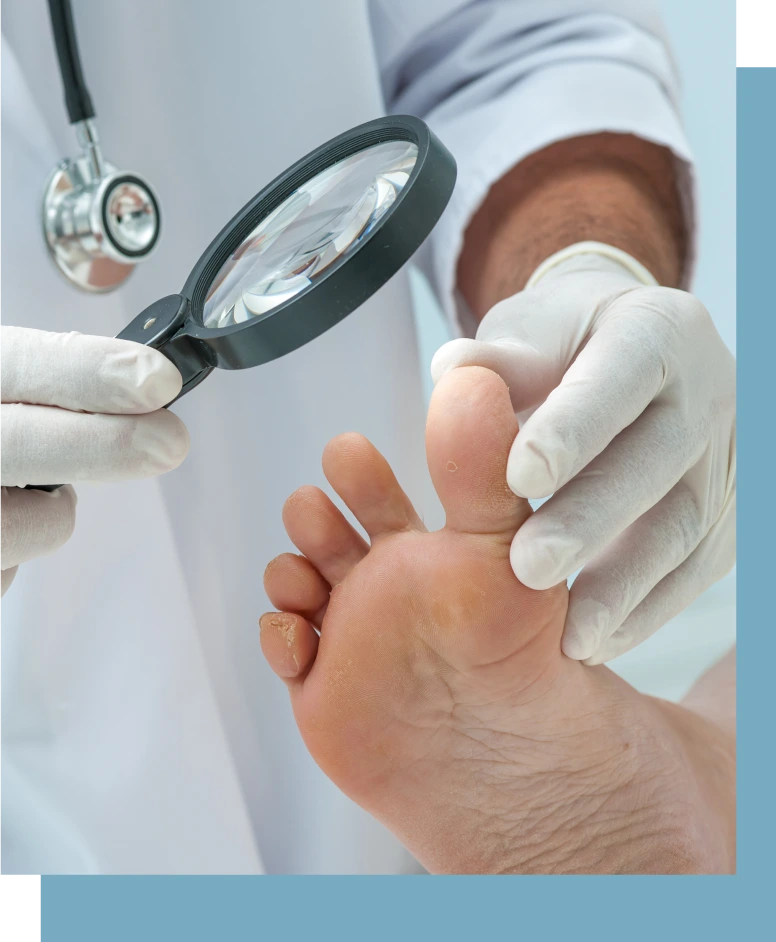
Gout is an inflammatory arthritis caused by uric acid crystals depositing in a joint. The first metatarsophalangeal joint (the big-toe joint) is the classic site (podagra) but gout can hit the midfoot, ankle, or Achilles bursa. Over time, untreated gout becomes chronic foot arthritis and can form chalky tophi under the skin.
It is not a bunion flare, and it is not hallux limitus, though a patient can have both.
Fever, spreading redness, or a wound near the joint raises the infection question. We do not guess.

Uric acid rises because the body makes too much or the kidneys clear too little. Attacks are pulled by:
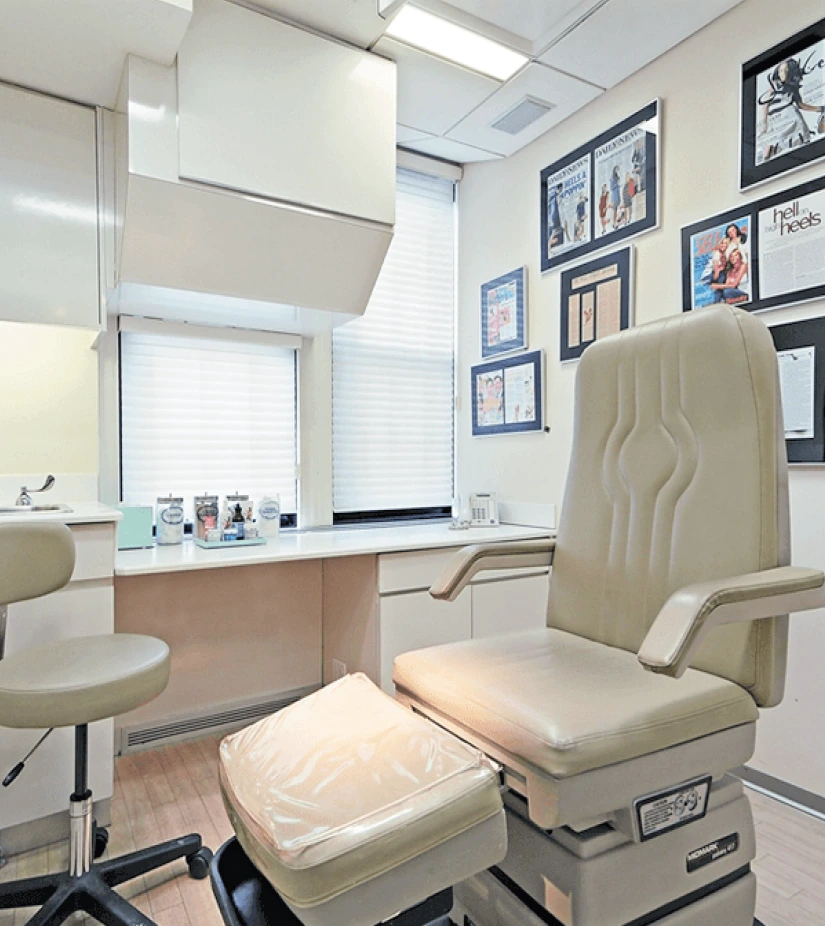
If you are in the middle of an attack, say so when you call ((212) 535-0229) so we can see you quickly. We examine the joint, review your history, and often order labs (uric acid, infection markers). Fluid from the joint, when we can obtain it, is the gold-standard way to see crystals and rule out septic arthritis. X-rays look for established gouty damage or a competing diagnosis.
Anti-inflammatory medication, when safe for you, is the first tool. We protect the joint, sometimes with a short period of limited walking, and treat pain as the emergency it feels like.
Guessing “gout” for years without a uric-acid plan is how people collect joint damage.
Diet is part of it. Medication that lowers uric acid is often the larger part, coordinated with your internist or rheumatologist. We handle the foot; we do not ignore the chemistry.
Once the fire is out, orthotics and shoe changes reduce trauma to a joint that just declared itself vulnerable. Chronic gouty joints may need the same arthritis tools we use on big-toe arthritis.
A treated attack usually turns the corner in 24–72 hours. Residual swelling can linger. Chronic tophaceous gout is a longer project.
An urgent visit with imaging and labs typically ranges $200–$600. Aspiration, if performed, is additional. Prevention is mostly medical follow-up and is often covered.
Not during an attack that is this painful, and not if infection is on the list.
It often drops while the crystals are dumping into the joint. We interpret the number in context.
No.