
A corn is your skin’s honest opinion of a shoe or a bone that does not belong where it is rubbing. Shaving it at a salon without fixing the pressure is how it returns before the next dinner reservation. Millennium Podiatry removes painful corns and calluses in a medical setting and then treats the hammertoe, bunion, or metatarsalgia underneath.
Calluses are broad, thickened patches of skin (usually on the heel or ball of the foot) that form where you repeatedly load the same area. Corns are more focused. A hard corn is a dense kernel over a toe joint or under a metatarsal head. A soft corn lives between the toes, stays moist, and can feel like a shard of glass.
Both are the body building armor. The armor then becomes the pain.
Skin lines continue through a corn or callus. They stop at a plantar wart. Warts have black dots; corns have a clear, hard center. If you have been treating a “corn” for a year and it has not changed, it may not be a corn.
We look at the lesion, the bone under it, and the shoe that created it. X-rays are useful when a hammertoe, bunion, or prominent metatarsal is the engine. Patients with diabetes are treated as a higher-risk group, a corn on a numb foot is an ulcer waiting for a calendar date.
We reduce the lesion with sterile instruments. This is not a spa pedicure. Relief is usually immediate. It is also temporary if we stop there.
Padding, toe spacers, and custom orthotics move pressure off the spot so the skin can stay thin.
A corn on a hammertoe or over a bunion is a symptom. Straightening the toe or addressing the bump is what makes the corn stay gone. Dr. Levine and Dr. Shalot will tell you when that conversation is conservative and when it is surgical.
Dry, cracked callus around the heel is a different problem from a hard corn on a toe. The Foot Facial® and medical-grade care help the skin; they do not replace offloading.
Medicated corn pads with acid have a long record of burning healthy skin, especially in older patients and anyone with diabetes. Leave those on the drugstore shelf.
You walk out. Soreness, if any, is mild. Recurrence depends entirely on whether we changed the pressure. A debridement-only visit should be scheduled as maintenance only after the mechanical plan is in place.
In-office debridement typically ranges $100–$350. Orthotics, padding systems, and any structural procedure are separate and quoted after the exam. Medically necessary care is often insurable; purely cosmetic smoothing is not.
Usually no. We will check before we treat.
We can remove the lesion in one visit. Permanence comes from fixing the pressure.
On a healthy foot they are painful. On a diabetic or poorly circulated foot they can break down into an ulcer. Do not ignore them in that setting.
A corn is your skin’s honest opinion of a shoe or a bone that does not belong where it is rubbing. Shaving it at a salon without fixing the pressure is how it returns before the next dinner reservation. Millennium Podiatry removes painful corns and calluses in a medical setting and then treats the hammertoe, bunion, or metatarsalgia underneath.
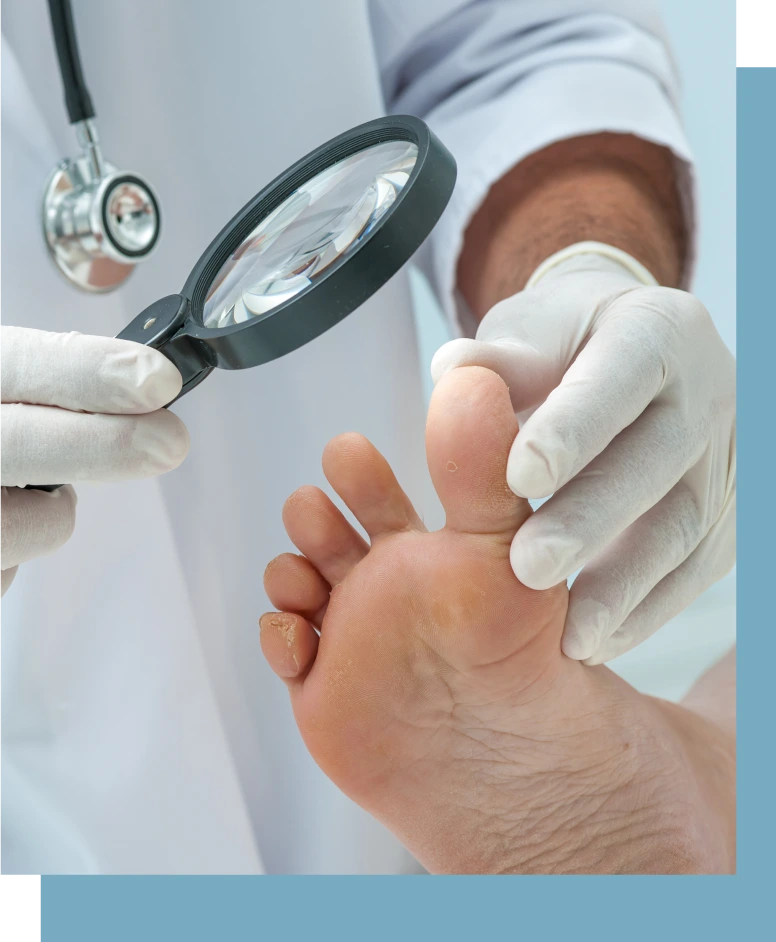
Calluses are broad, thickened patches of skin (usually on the heel or ball of the foot) that form where you repeatedly load the same area. Corns are more focused. A hard corn is a dense kernel over a toe joint or under a metatarsal head. A soft corn lives between the toes, stays moist, and can feel like a shard of glass.
Both are the body building armor. The armor then becomes the pain.
Skin lines continue through a corn or callus. They stop at a plantar wart. Warts have black dots; corns have a clear, hard center. If you have been treating a “corn” for a year and it has not changed, it may not be a corn.

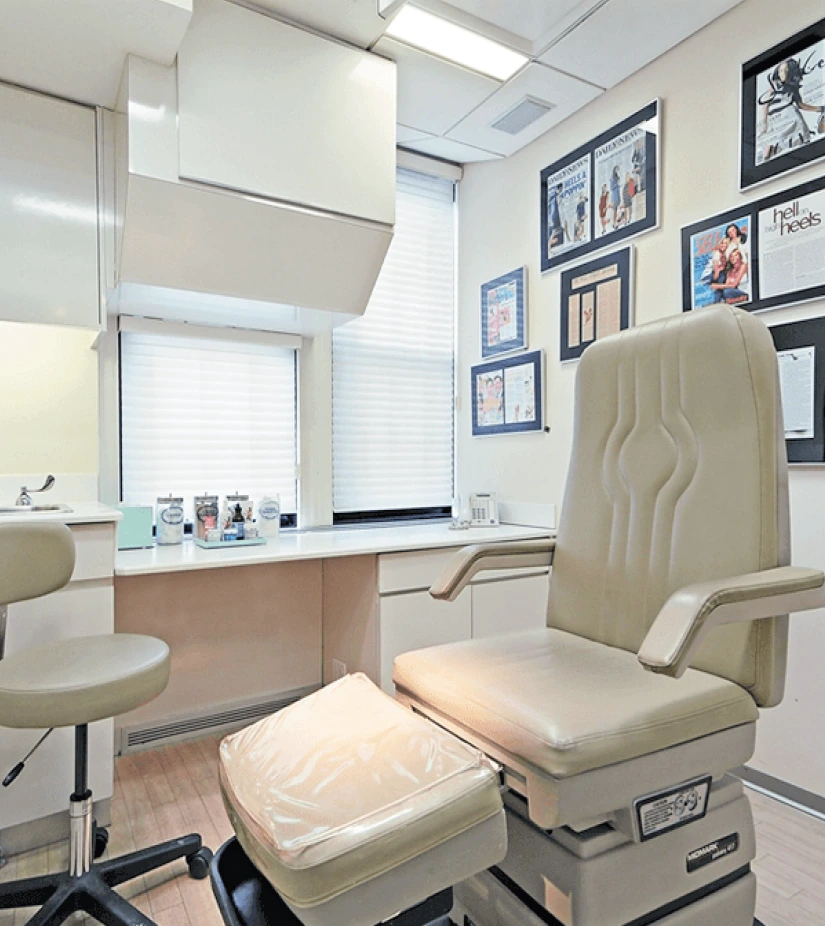
We look at the lesion, the bone under it, and the shoe that created it. X-rays are useful when a hammertoe, bunion, or prominent metatarsal is the engine. Patients with diabetes are treated as a higher-risk group, a corn on a numb foot is an ulcer waiting for a calendar date.
We reduce the lesion with sterile instruments. This is not a spa pedicure. Relief is usually immediate. It is also temporary if we stop there.
Padding, toe spacers, and custom orthotics move pressure off the spot so the skin can stay thin.
A corn on a hammertoe or over a bunion is a symptom. Straightening the toe or addressing the bump is what makes the corn stay gone. Dr. Levine and Dr. Shalot will tell you when that conversation is conservative and when it is surgical.
Dry, cracked callus around the heel is a different problem from a hard corn on a toe. The Foot Facial® and medical-grade care help the skin; they do not replace offloading.
Medicated corn pads with acid have a long record of burning healthy skin, especially in older patients and anyone with diabetes. Leave those on the drugstore shelf.
You walk out. Soreness, if any, is mild. Recurrence depends entirely on whether we changed the pressure. A debridement-only visit should be scheduled as maintenance only after the mechanical plan is in place.
In-office debridement typically ranges $100–$350. Orthotics, padding systems, and any structural procedure are separate and quoted after the exam. Medically necessary care is often insurable; purely cosmetic smoothing is not.
Usually no. We will check before we treat.
We can remove the lesion in one visit. Permanence comes from fixing the pressure.
On a healthy foot they are painful. On a diabetic or poorly circulated foot they can break down into an ulcer. Do not ignore them in that setting.